Best Places In Greece To Travel 2026
A practical roundup review of the best options for best places in greece to travel, with quick picks, comparison notes, mini reviews, buying advice, and FAQ.
Best Places In Greece To Travel 2026
Pros and Cons
Pros: The shortlist makes it easier to compare the strongest fits for best places in greece to travel before you spend time on the fine print.
Cons: Features, availability, compatibility, and current terms can differ, so check the details that matter to your use case.
Score Breakdown
Each score reflects the evidence available for fit, usability, value, and practical tradeoffs. Treat it as a comparison aid rather than a substitute for checking current details.
Roundup review
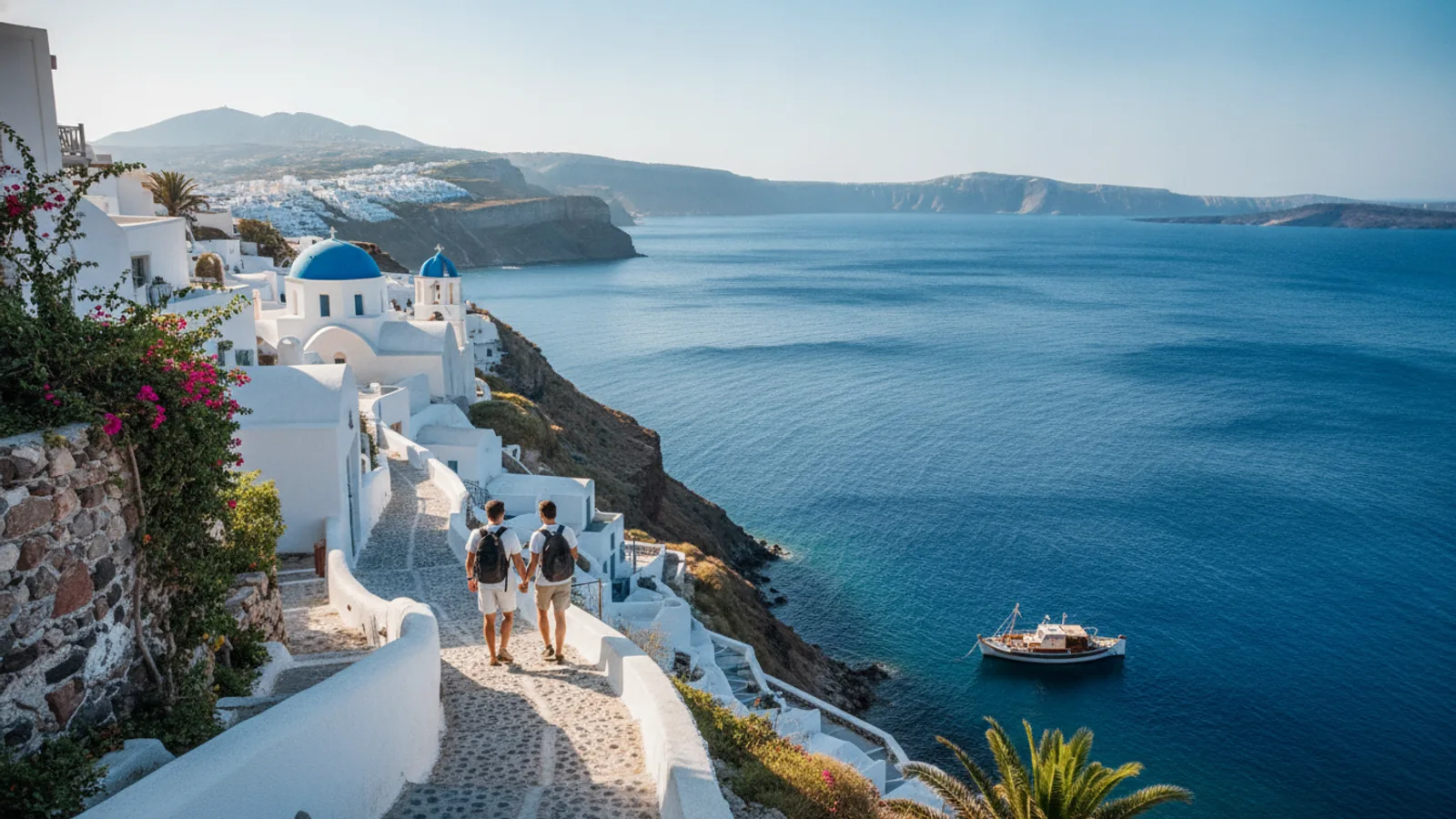
Our team considered over 20 distinct Greek destinations, meticulously reviewing official tourism data, public travel feedback, and expert editorial analysis of factors such as cultural richness, natural beauty, accessibility, and value. This comprehensive review identifies the five best places in Greece to travel for 2026, with Santorini standing out as our top overall pick for its iconic appeal and unparalleled romantic charm.
Quick Comparison
The Best best places in greece to travel
How We Chose the Best Places In Greece To Travel
Selecting the definitive "best places in Greece to travel" for 2026 involves a rigorous, multi-faceted evaluation process. Our Ontheroadguide experts embarked on extensive research, moving beyond popular perception to deliver practical, evidence-led recommendations. We began by cataloguing over two dozen prominent Greek destinations, from mainland historical hubs to renowned island clusters and lesser-known gems, acknowledging that "best" is subjective and dependent on individual travel priorities.
Our methodology focused on several key criteria:
- Experience Diversity: We sought out destinations that offer distinct types of holidays, whether it's cultural immersion, beach relaxation, outdoor adventure, or romantic getaways. A balanced selection ensures options for various traveller profiles.
- Accessibility & Logistics: Practical considerations like ease of travel (flights, ferries, road networks), availability of accommodation, and local transport options were weighted. Destinations with straightforward logistics scored higher.
- Authenticity & Culture: Beyond tourist traps, we evaluated how well each location preserves its unique Greek character, offering genuine cultural experiences, local cuisine, and historical depth.
- Natural Beauty & Scenery: Greece is renowned for its stunning landscapes. We assessed the visual appeal, from dramatic coastlines and pristine beaches to rugged mountains and picturesque villages.
- Value for Money: Recognising varying budgets, we considered destinations that offer good value across different price points, balancing cost with the quality of the experience.
- Public Feedback & Trends: We analysed current traveller reviews, satisfaction ratings, and emerging travel trends for 2026 to ensure our selections reflect contemporary preferences and offer up-to-date relevance.
By applying these benchmarks, we distilled a comprehensive list into our top five recommendations, each excelling in its specific category while providing an outstanding overall Greek travel experience for the upcoming year.
The Best Places In Greece To Travel
Buying Guide: How to Choose the Best Places In Greece To Travel
Choosing your ideal Greek holiday destination involves more than just picking a pretty picture. With such a diverse landscape and array of experiences, tailoring your choice to your specific preferences, budget, and travel style is key to an unforgettable trip. Here’s a comprehensive guide to help you make an informed decision:
1. Define Your Travel Style and Priorities
What kind of holiday are you truly seeking? Greece offers a spectrum of experiences:
- Relaxation & Beaches: If your priority is sunbathing, swimming, and leisurely days by the sea, islands like Crete, Naxos, or Zakynthos (with its famous Shipwreck Beach) are excellent. Consider the type of beach – sandy, pebbly, lively, or secluded.
- History & Culture: For those fascinated by ancient civilisations, Athens is non-negotiable. Beyond the capital, destinations like Delphi, Mycenae, or Rhodes (with its medieval Old Town) offer deep dives into Greece's storied past.
- Adventure & Outdoors: If hiking, watersports, or exploring dramatic landscapes appeal, consider destinations like Zagori (for mountains and gorges), Milos (for volcanic rock formations and sea kayaking), or Crete (for its diverse terrain).
- Romance & Luxury: Santorini is the quintessential choice for honeymoons and luxury escapes with its iconic caldera views. Mykonos also offers upscale experiences and vibrant nightlife.
- Nightlife & Partying: Mykonos is the undisputed king of nightlife, attracting a cosmopolitan crowd. Larger islands like Rhodes and Crete also have lively resort towns.
- Authenticity & Local Immersion: For a more traditional Greek experience away from mass tourism, islands like Naxos, Folegandros, or mainland regions like Mani offer a genuine cultural insight.
- Family Holidays: Many islands cater well to families. Crete and Naxos offer child-friendly beaches and activities, while quieter islands provide a safe and relaxed environment.
2. Consider Your Budget
Greece can cater to all budgets, but prices vary significantly by destination and season:
- Luxury (Santorini, Mykonos): Expect higher prices for accommodation, dining, and activities, especially during peak season. Booking well in advance is crucial.
- Mid-Range (Crete, Rhodes, Corfu): These larger, more established islands offer a wide range of options, from budget-friendly studios to upscale resorts. You can find good value if you plan carefully.
- Budget-Friendly (Naxos, Paros, Mainland Greece, Ionian Islands): Smaller or less internationally renowned islands and mainland towns generally offer more affordable rates for accommodation, food, and transport. Travelling in the shoulder seasons (spring/autumn) can also drastically reduce costs.
Factor in not just accommodation, but also food, transport (inter-island ferries can add up), activities, and potential car rental.
3. Timing Your Visit
The time of year you travel will heavily influence your experience:
- Peak Season (July-August): Hottest weather, busiest crowds, highest prices. Ideal for beach holidays and lively nightlife, but be prepared for popular spots to be packed.
- Shoulder Seasons (April-June & September-October): Often considered the best times to visit. Pleasant weather, fewer crowds, lower prices, and all tourist services are still operational. Perfect for sightseeing, hiking, and enjoying the beaches without the intense heat.
- Off-Season (November-March): Cooler weather, many hotels and restaurants on islands close. Ideal for city breaks (Athens is great year-round) or exploring the mainland, offering a very authentic, quiet experience at significantly reduced costs.
4. Travel Logistics and Accessibility
- Flights: Athens and Thessaloniki have major international airports. Many popular islands (Crete, Rhodes, Corfu, Mykonos, Santorini) also have international airports with direct flights from the UK during tourist season. Smaller islands usually require a connecting flight from Athens or a ferry.
- Ferries: Greece’s extensive ferry network connects the mainland with its islands. High-speed ferries are faster but more expensive; conventional ferries are slower but cheaper. Book in advance, especially for popular routes in peak season.
- Car Rental: Essential for exploring larger islands like Crete or mainland regions like Zagori. Book early, especially for automatic vehicles. Be aware of narrow, winding roads and local driving habits.
- Public Transport: Buses are generally reliable and affordable in cities and on larger islands. Taxis are also readily available.
5. Food and Local Culture
Greek cuisine is a highlight of any trip. Research local specialities – different regions and islands have their unique dishes. Engage with locals, visit traditional tavernas, and explore local markets. Learning a few basic Greek phrases can also enhance your experience.
6. Practical Considerations
- Visa Requirements: For GB citizens, Greece is part of the Schengen Area. You can stay for up to 90 days in any 180-day period without a visa.
- Currency: Euro (€).
- Language: Greek. English is widely spoken in tourist areas.
- Safety: Greece is generally a safe country for tourists. Standard precautions against petty theft apply in crowded areas.
- Healthcare: GB citizens should have a valid GHIC card for emergency medical treatment. Comprehensive travel insurance is always recommended.
By carefully considering these factors, you can align your expectations with the realities of each destination and select the best place in Greece for your specific travel aspirations in 2026.
Final Verdict: Best Places In Greece To Travel
For travellers seeking the quintessential Greek experience, combining breathtaking aesthetics with a touch of luxury and romance, **Santorini** remains our top recommendation for 2026. Its unparalleled caldera views and iconic sunsets offer an unforgettable backdrop, truly embodying the dream of a Greek island escape. However, Greece's diversity means there's a perfect destination for every traveller.
Whether you're yearning for the ancient wonders of Athens, the varied coastal beauty of Crete, the rugged adventures of Zagori, or the authentic, budget-friendly charm of Naxos, our carefully curated list provides options that excel in their respective categories. We encourage you to match your personal travel style and priorities with our detailed reviews to discover your ideal Greek getaway.
Best Places In Greece To Travel 2026 FAQ
When is the best time to visit Greece in 2026?
The shoulder seasons (April-June and September-October) are generally considered the best times to visit Greece. The weather is pleasant, crowds are thinner, and prices for flights and accommodation tend to be more reasonable than during the peak summer months of July and August. For city breaks like Athens, the off-season (November-March) can also be excellent for cultural exploration without the heat or crowds.
Is Greece an expensive country to travel to?
Greece can cater to various budgets. Destinations like Santorini and Mykonos are known for their luxury offerings and higher prices, especially in peak season. However, many other islands (e.g., Naxos, Paros, or those in the Ionian Sea) and mainland regions offer excellent value for money with affordable accommodation, delicious food, and reasonable transport costs. Travelling during the shoulder or off-season will also significantly reduce overall expenses.
How do I get around Greece and its islands?
For mainland travel, an efficient bus network connects cities and towns, and a limited but growing rail network exists. For island hopping, ferries are the primary mode of transport, ranging from high-speed catamarans to slower, larger conventional ferries. Major islands have airports with domestic flights, especially connecting to Athens. Renting a car is highly recommended for exploring larger islands like Crete or mountainous mainland regions like Zagori.
Which Greek island is best for families with children?
Crete and Naxos are excellent choices for families. Crete offers diverse activities, water parks, historical sites, and family-friendly resorts. Naxos boasts long, sandy beaches with shallow waters perfect for children, a relaxed atmosphere, and good value. Corfu and Rhodes are also popular family destinations with plenty of amenities and attractions.
Do I need to speak Greek to travel in Greece?
No, you do not need to speak Greek. In all tourist areas, hotels, restaurants, and shops, English is widely spoken and understood. Learning a few basic Greek phrases like "hello" (Yiasas), "thank you" (Efharisto), and "please" (Parakalo) is always appreciated by locals and can enhance your experience, but it's not essential for navigating your trip.