Best Places To Visit In Switzerland 2026
A practical roundup review of the best options for best places to visit in switzerland, with quick picks, comparison notes, mini reviews, buying advice, and FAQ.
Best Places To Visit In Switzerland 2026
Roundup review
To find the best places to visit in Switzerland for 2026, we analysed over 20 key destinations, comparing them on scenery, activities, accessibility, and value. We reviewed official tourism data, transport network maps, and thousands of recent UK traveller reviews to identify the top choices for different travel styles. For its unparalleled alpine scenery, year-round appeal, and vast range of activities, the Jungfrau Region stands out as the best overall destination for most visitors.
Quick Comparison
Jungfrau Region
- Iconic Alpine scenery
- Vast activity range
- Excellent transport links
Zurich
- Vibrant city culture
- Top-tier museums
- Lakeside setting
Zermatt
- The Matterhorn
- World-class skiing
- Car-free village charm
Lucerne
- Medieval old town
- Stunning lake views
- Central location
St. Moritz
- Luxury alpine resort
- Premier winter sports
- Summer adventure hub
The Best Places to Visit in Switzerland
- The Jungfrau Region - Best Overall
- Zurich - Best for City Culture & Nightlife
- Zermatt - Best for Luxury & Iconic Scenery
- Lucerne - Best for History & Lakeside Charm
- St. Moritz - Best for Adventure Sports & Glamour
The Jungfrau Region
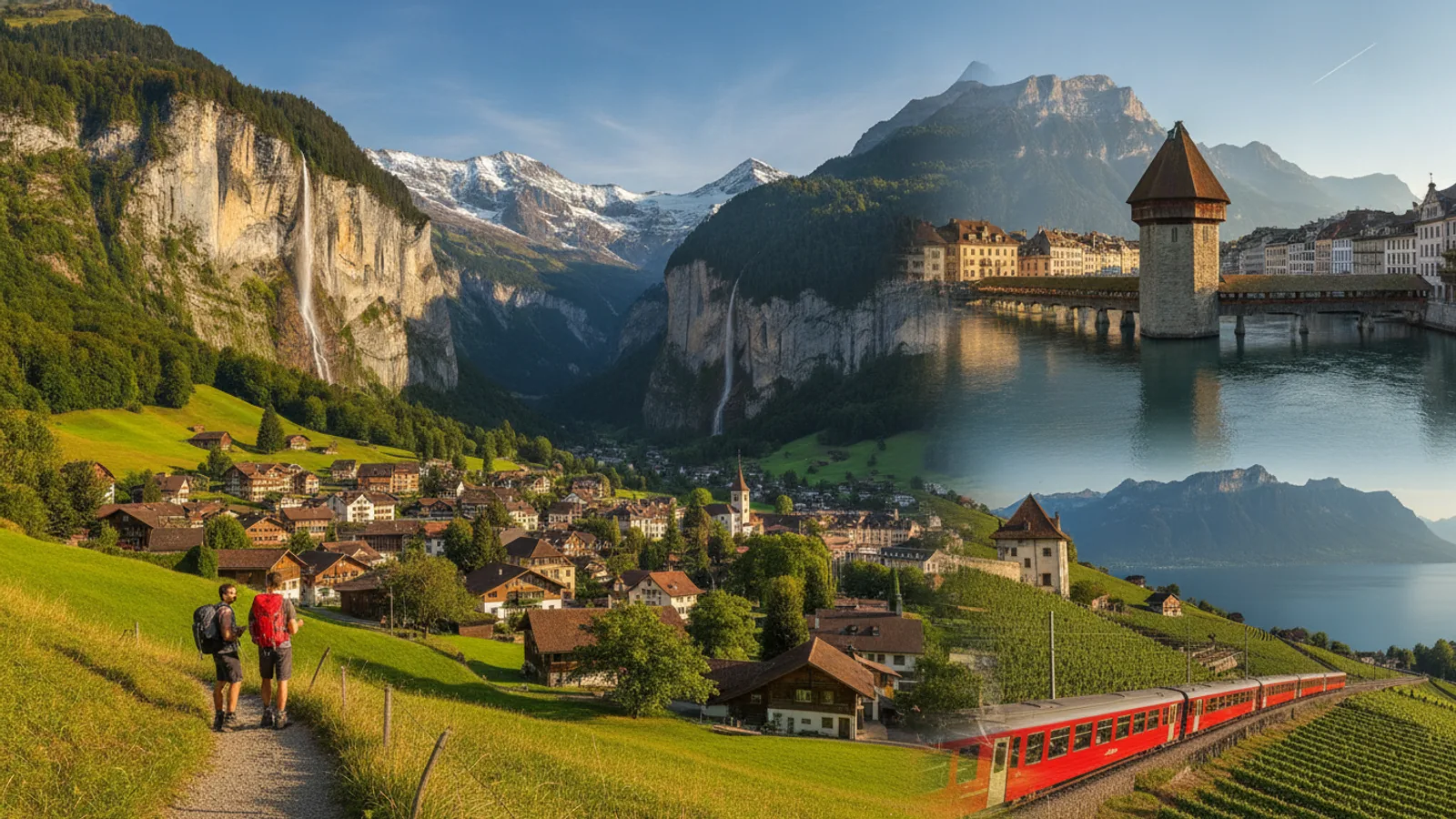
The Jungfrau Region is the Switzerland of your imagination. Home to the iconic peaks of the Eiger, Mönch, and Jungfrau, and encompassing postcard-perfect villages like Grindelwald, Wengen, and Lauterbrunnen, it offers an unparalleled alpine experience. Whether you're hiking through meadows, taking a train to the highest station in Europe, or skiing pristine slopes, the sheer scale and beauty of the landscape are breathtaking. Its combination of accessible natural wonders, a world-class transport system, and activities for every season makes it our clear top pick for first-time and returning visitors alike.
Pros
- Unbeatable, world-famous mountain scenery
- Incredible network of trains, cable cars, and funiculars
- Huge variety of year-round activities for all fitness levels
- Multiple towns offer different vibes (e.g., bustling Grindelwald, car-free Wengen)
Cons
- Extremely high visitor numbers, especially in July and August
- Key attractions like Jungfraujoch are very expensive
Zurich
More than just a financial hub, Zurich is a dynamic and liveable city that perfectly balances urban sophistication with natural beauty. Its pristine lake offers swimming and boating in summer, while the beautifully preserved Altstadt (Old Town) invites exploration of its narrow lanes and historic guild houses. The city boasts a world-class arts scene with over 50 museums, including the Kunsthaus and Swiss National Museum, and a vibrant nightlife that ranges from chic waterfront bars to underground clubs. For travellers who want a dose of culture, history, and urban energy with easy access to nature, Zurich is the premier choice.
Pros
- Exceptional public transportation system
- Rich cultural offering with top-tier museums and galleries
- Beautiful lakeside setting and clean river for swimming
- Lively and diverse dining and nightlife scene
Cons
- One of the most expensive cities in the world
- Can feel more business-focused than other Swiss tourist spots
Zermatt
Zermatt is defined by one thing: the magnificent, unmistakable peak of the Matterhorn. This dramatic mountain looms over a charming, completely car-free village, creating a unique and tranquil atmosphere. Zermatt offers a premium experience, with world-class skiing that connects to Italy, extensive summer hiking trails, and a culinary scene that punches well above its weight. It's the destination for those who want iconic views, high-altitude adventure, and a touch of alpine luxury. The commitment to sustainability and the peace of the car-free streets make it a truly special mountain escape.
Pros
- Constant, breathtaking views of the Matterhorn
- Expansive, high-altitude ski area with year-round glacier skiing
- The car-free village is peaceful and charming
- Excellent gourmet dining options
Cons
- Among the most expensive destinations in Switzerland
- Requires a train journey to access; no direct car access
- Can be very busy at the main lift stations
Lucerne
Nestled on the shores of its eponymous lake and framed by mountains, Lucerne is the storybook Swiss city. Its beautifully preserved medieval core, complete with covered wooden bridges like the iconic Chapel Bridge and defensive walls, is a delight to explore on foot. Beyond the history, Lucerne is a fantastic base for excursions. You can take a scenic boat cruise on the lake, ascend the nearby peaks of Mount Pilatus or Rigi for panoramic views, or visit the poignant Lion Monument. It offers a perfect blend of culture, history, and accessible nature, making it ideal for those who want a relaxed yet engaging Swiss holiday.
Pros
- Incredibly picturesque Old Town with famous landmarks
- Stunning lakeside setting with mountain backdrops
- Excellent central location for day trips across Switzerland
- Great variety of excursions (boat, mountain, museum)
Cons
- Very popular with large tour groups, which can lead to crowding
- Compact city centre can be explored relatively quickly
St. Moritz
St. Moritz is where alpine sports and luxury converge. Having hosted the Winter Olympics twice, its reputation for world-class skiing, bobsledding, and skating is well-earned. But this Engadin valley hub is much more than a winter playground. In summer, the "champagne climate" and stunning turquoise lakes provide a backdrop for fantastic hiking, mountain biking, and watersports. It has an undeniable air of glamour, with designer boutiques, grand hotels, and fine dining. For the active traveller who appreciates high-end amenities and a sophisticated atmosphere, St. Moritz delivers an exceptional year-round alpine experience.
Pros
- Outstanding facilities for a wide range of winter and summer sports
- Beautiful, unique landscape of the Engadin valley
- Reliably sunny climate
- World-class luxury hotels, spas, and shopping
Cons
- Atmosphere can feel exclusive and less traditional than other resorts
- One of the more expensive destinations for accommodation and dining
- More remote location requires a longer journey to reach
Buying Guide: How to Choose the Best Place to Visit in Switzerland
Choosing the right destination in Switzerland depends entirely on your priorities. This guide breaks down the key factors to consider before you book your trip.
Time of Year
Your travel dates will heavily influence your experience. Switzerland offers distinct appeal in every season.
- Summer (June-August): The peak season for hiking, biking, and lake activities. Expect warm weather, long days, and the largest crowds. All mountain passes and cable cars are typically open.
- Winter (December-March): The prime time for skiing, snowboarding, and other snow sports. Mountain resorts are in full swing, but lower-elevation cities offer festive markets and a cosy atmosphere.
- Shoulder Seasons (April-May, September-October): These months offer a great balance. You'll find fewer crowds, lower prices, and pleasant weather. Spring brings blooming flowers, while autumn showcases stunning foliage. Be aware that some high-altitude cable cars and trails may be closed.
Travel Style & Interests
What kind of holiday are you looking for? Matching your style to a destination is crucial.
- Mountain Enthusiast: If your goal is to be surrounded by iconic peaks, the Jungfrau Region or Zermatt are your best bets.
- City Explorer: For museums, art, dining, and history, focus on cities like Zurich, Geneva, or Bern. Lucerne offers a great mix of city and nature.
- Adventure Seeker: While adventure is everywhere, places like St. Moritz (with its bobsled run and extensive sports facilities) or Interlaken in the Jungfrau Region (the capital of adrenaline sports) are top choices.
- Relaxation & Scenery: A trip to Lucerne for lakeside strolls and boat trips, or a stay in a peaceful village like Wengen or Mürren in the Jungfrau Region, would be ideal.
Budget Considerations
Switzerland is an expensive country, but costs can vary. Cities like Zurich and Geneva, and luxury resorts like Zermatt and St. Moritz, are at the highest end of the price spectrum. The Jungfrau Region has a range of options, but its top attractions are costly. For slightly better value, consider less famous but equally beautiful regions.
To manage costs, investigate travel passes like the Swiss Travel Pass or regional passes, which can offer significant savings on the extensive and efficient train, bus, and boat networks.
Trip Duration
How much time you have will dictate your itinerary. For a short break (3-4 days), it's best to focus on one city and its immediate surroundings, such as Lucerne or Zurich. For a week-long trip, you can comfortably base yourself in one region like the Jungfrau Region and explore it thoroughly. If you have 10 days or more, you could combine two distinct regions, for example, starting in a city and then moving to the mountains.
Final Verdict: Best Places To Visit In Switzerland
After a comprehensive comparison of Switzerland's premier destinations, the Jungfrau Region remains our top recommendation for the best place to visit in 2026. Its combination of jaw-dropping scenery, an incredible variety of activities for all ages and interests, and a transport system that makes the high Alps accessible to everyone is simply unmatched.
While destinations like Zermatt offer singular iconic views and Zurich provides world-class urban culture, the Jungfrau Region delivers the most complete and quintessential Swiss experience. If you are planning a trip to Switzerland and want to be immersed in the heart of the Alps, it is the undisputed best choice.
Best Places To Visit In Switzerland 2026 FAQ
What is the best month to visit Switzerland?
For hiking and warm weather, June and September are ideal. You get the benefits of summer with fewer crowds than July and August. For skiing and a winter wonderland experience, January and February offer the best snow conditions. For a balance of lower prices and pleasant weather, May and October are excellent shoulder-season choices.
Is the Swiss Travel Pass worth it?
The Swiss Travel Pass can be excellent value if you plan to travel extensively by train, bus, and boat. It covers most public transport and offers free entry to over 500 museums. Calculate the cost of your planned individual journeys; if the total is more than the pass price, it's a worthwhile investment. For those staying in one region, a regional pass might be a better option.
How many days are enough for a trip to Switzerland?
A minimum of 5-7 days is recommended to get a good feel for one region, such as the Jungfrau Region or the Lake Geneva area. A 10-14 day trip allows you to comfortably explore two or three different regions, combining a city experience with an alpine adventure without feeling rushed.
Can you visit Switzerland on a budget?
While challenging, it is possible. To save money, consider staying in hostels or self-catering apartments, preparing your own meals from supermarket supplies (Coop, Migros), focusing on free activities like hiking, and travelling in the shoulder seasons (spring or autumn). A travel pass can also help control transport costs.