Best Time To Travel To Iceland 2026
A practical roundup review of the best options for best time to travel to iceland, with quick picks, comparison notes, mini reviews, buying advice, and FAQ.
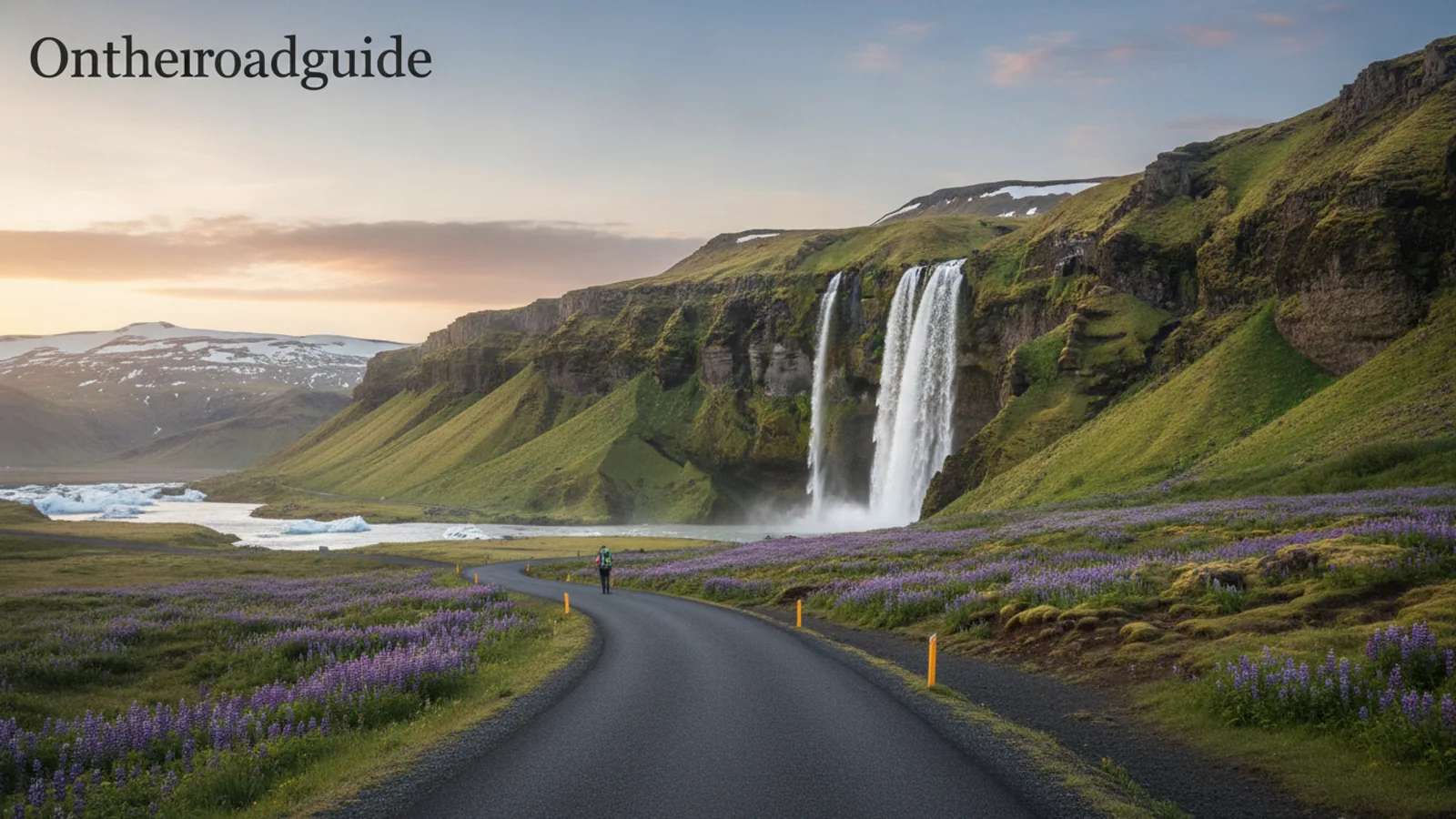
Best Time To Travel To Iceland 2026
Pros and Cons
Pros: The shortlist makes it easier to compare the strongest fits for best time to travel to iceland before you spend time on the fine print.
Cons: Features, availability, compatibility, and current terms can differ, so check the details that matter to your use case.
Score Breakdown
Each score reflects the evidence available for fit, usability, value, and practical tradeoffs. Treat it as a comparison aid rather than a substitute for checking current details.
Roundup review
Our comprehensive analysis considered five distinct periods for travelling to Iceland in 2026, drawing on extensive research into climate data, seasonal activity offerings, tourist traffic patterns, and public traveller feedback. Based on accessibility, weather, and a broad range of available activities, **Summer (June - August)** emerges as the top recommendation for the best overall experience.
Quick Comparison
The Best Time To Travel To Iceland
We've meticulously evaluated each season and period to provide clear, practical guidance for planning your Icelandic adventure in 2026. Here's our definitive shortlist of the best times to visit, tailored to different priorities:
Buying Guide: How to Choose Your Best Time to Travel to Iceland
Deciding the "best time" to visit Iceland is highly personal, as each season offers a dramatically different experience. To make the most informed choice for your 2026 trip, consider these key factors:
1. Your Primary Activity Goals
What do you want to see and do most? This is arguably the most critical factor:
- Northern Lights (Aurora Borealis): Your best chances are from late September to early April, during the long, dark nights. The prime months are typically October, February, and March for a balance of darkness and milder (though still cold) conditions.
- Midnight Sun: If you dream of 24-hour daylight for endless exploration, June and July are ideal. This allows for very long sightseeing days and unique nocturnal adventures under the sun.
- Hiking and Trekking: Summer (June-August) offers the most favourable conditions, with accessible trails, milder weather, and minimal snow. The Highlands are typically only open during these months.
- Ice Caves & Glacier Tours: These require freezing temperatures to form and be safe. The season for natural ice caves runs from mid-October/November to March. Glacier hiking is possible year-round, but deep winter offers the most dramatic icy landscapes.
- Puffin and Bird Watching: May to mid-August is puffin season when these charming birds nest on Iceland's cliffs. June is often cited as the peak.
- Whale Watching: While possible year-round, summer (May-September) generally sees higher success rates and a greater diversity of species.
2. Weather Expectations and Tolerance
Iceland's weather is famously unpredictable, but general seasonal patterns exist:
- Summer (June-August): The mildest temperatures (averaging 10-15°C), less wind and rain. Still, be prepared for anything, as sunny days can quickly turn to cool, damp ones.
- Shoulder Seasons (May & September/October): Generally cooler than summer (5-10°C) with more chance of rain and wind. May can still see lingering snow, while October brings the onset of winter conditions.
- Winter (November-April): Cold (averaging 0-5°C, but often feeling colder with wind chill), snowy, icy, and windy. Blizzards are common. Being prepared with warm, waterproof layers is non-negotiable.
Regardless of the season, layering is key. Always pack waterproof and windproof outerwear, even in summer.
3. Budget Considerations
Iceland is not a cheap destination, but prices fluctuate significantly with demand:
- Peak Season (June-August): This is the most expensive time to visit. Flights, accommodation, and car rentals are at their highest rates due to demand.
- Shoulder Seasons (May & September/October): You can find better value during these months, with slightly lower prices for flights and accommodation compared to peak summer.
- Low Season (November-April, excluding Christmas/New Year): Generally the cheapest time to travel, with the lowest prices for flights and lodging. However, some tours might be more expensive due to specialised equipment or smaller group sizes.
Booking well in advance, especially for summer, can help mitigate higher costs.
4. Crowd Avoidance
If you prefer solitude and a more intimate experience with nature, avoid the busiest times:
- Peak Crowds (July-August): Expect popular sites like the Golden Circle, Blue Lagoon, and South Coast waterfalls to be very busy. Booking tours and accommodation months in advance is essential.
- Moderate Crowds (June & September): Still popular, but noticeably less congested than mid-summer. Offers a good balance.
- Fewer Crowds (May & October): A significant drop in tourist numbers, allowing for a more peaceful experience at attractions.
- Low Crowds (November-April): Outside of the Christmas/New Year period, winter generally offers the fewest crowds, especially in more remote areas.
5. Daylight Hours and Driving Conditions
The length of day and road conditions impact how much you can see and how easily you can travel:
- Summer (June-July): Near 24 hours of daylight. All roads, including Highland F-roads, are typically open, making self-driving and extensive road trips easy.
- May & August: Long daylight hours (16-20 hours), good for sightseeing. Most major roads open, F-roads gradually opening in May, some starting to close in late August.
- September & April: Decent daylight (10-14 hours). Main roads generally clear, but be aware of early snow in some highland areas in September or late snow in April.
- Deep Winter (November-March): Very short daylight (4-8 hours). Many F-roads closed. Icy, snowy, and windy conditions can make driving hazardous, requiring a 4x4, winter driving experience, and vigilance for weather warnings. Often, tours are a safer and more practical option.
Always check road.is for real-time road conditions before setting out, regardless of the season.
6. Local Events and Festivals
Consider if any specific events align with your travel interests:
- Summer: Many outdoor festivals, concerts, and cultural events, especially in Reykjavík.
- Winter: Light festivals, New Year's Eve fireworks, and various cultural celebrations.
By carefully weighing these factors against your personal preferences, you can pinpoint the absolute best time for your unique Icelandic adventure in 2026.
Final Verdict: Best Time To Travel To Iceland
After a thorough assessment of Iceland's distinct seasons and their unique offerings, our top recommendation for the best overall time to visit in 2026 is **Summer (June - August)**. This period consistently delivers the most pleasant weather, the longest daylight hours (including the magical Midnight Sun), and unparalleled accessibility to almost all parts of the island, allowing for the widest array of activities and experiences. It's the ideal choice for first-time visitors seeking a comprehensive exploration of Iceland's diverse landscapes and vibrant culture.
However, if your primary goal is to witness the ethereal dance of the **Northern Lights**, then the **Winter months (late September - early April)** are undeniably your best bet. For those prioritising **budget-friendliness and fewer crowds**, the **Shoulder Seasons (May & September/October)** offer an excellent balance without compromising too much on good conditions.
Ultimately, Iceland offers something spectacular year-round. Your perfect timing hinges on your personal priorities for weather, activities, budget, and crowd levels.
Start Planning Your Iceland Trip
Best Time To Travel To Iceland 2026 FAQ
When is the cheapest time to go to Iceland?
Generally, the cheapest time to visit Iceland is during the low season, from November to April, excluding the Christmas and New Year holiday period. During these months, demand for flights, accommodation, and car rentals is lower, leading to more competitive pricing. However, be aware that some specific winter tours (like ice cave excursions) might be more specialised and thus potentially pricier than general summer tours.
When is the best time to see the Northern Lights in Iceland?
The best time to see the Northern Lights (Aurora Borealis) in Iceland is from late September to early April. During these months, the nights are long and dark enough for the aurora to be visible. October, February, and March are often considered prime months, as they offer a good balance of dark skies and slightly less severe weather compared to the deepest winter months like December and January. You need clear skies, darkness, and solar activity for a sighting.
What is the weather like in Iceland during different seasons?
Always pack layers and waterproof/windproof outerwear, regardless of the season.
Are roads always open in Iceland?
No, not all roads are open year-round. The main Ring Road (Route 1) is generally accessible throughout the year, though temporary closures can occur in winter due to extreme weather. However, the mountainous F-roads (Highland roads) are typically only open during the summer months, usually from mid-June to early September, depending on snowmelt and road conditions. Always check road.is for current road conditions before any journey.
Can I see puffins all year round in Iceland?
No, puffins are migratory birds and are only in Iceland for their breeding season. You can typically see puffins in Iceland from May to mid-August. June and early July are often considered the peak times for puffin spotting, particularly in major nesting colonies like Dyrhólaey, Látrabjarg, and the Westman Islands, before they return to sea for the rest of the year.