How To Plan A Camping Trip
A practical step-by-step guide to how to plan a camping trip, including preparation, instructions, common issues, tips, and next steps.
How To Plan A Camping Trip
Quick Summary: how to plan a camping trip
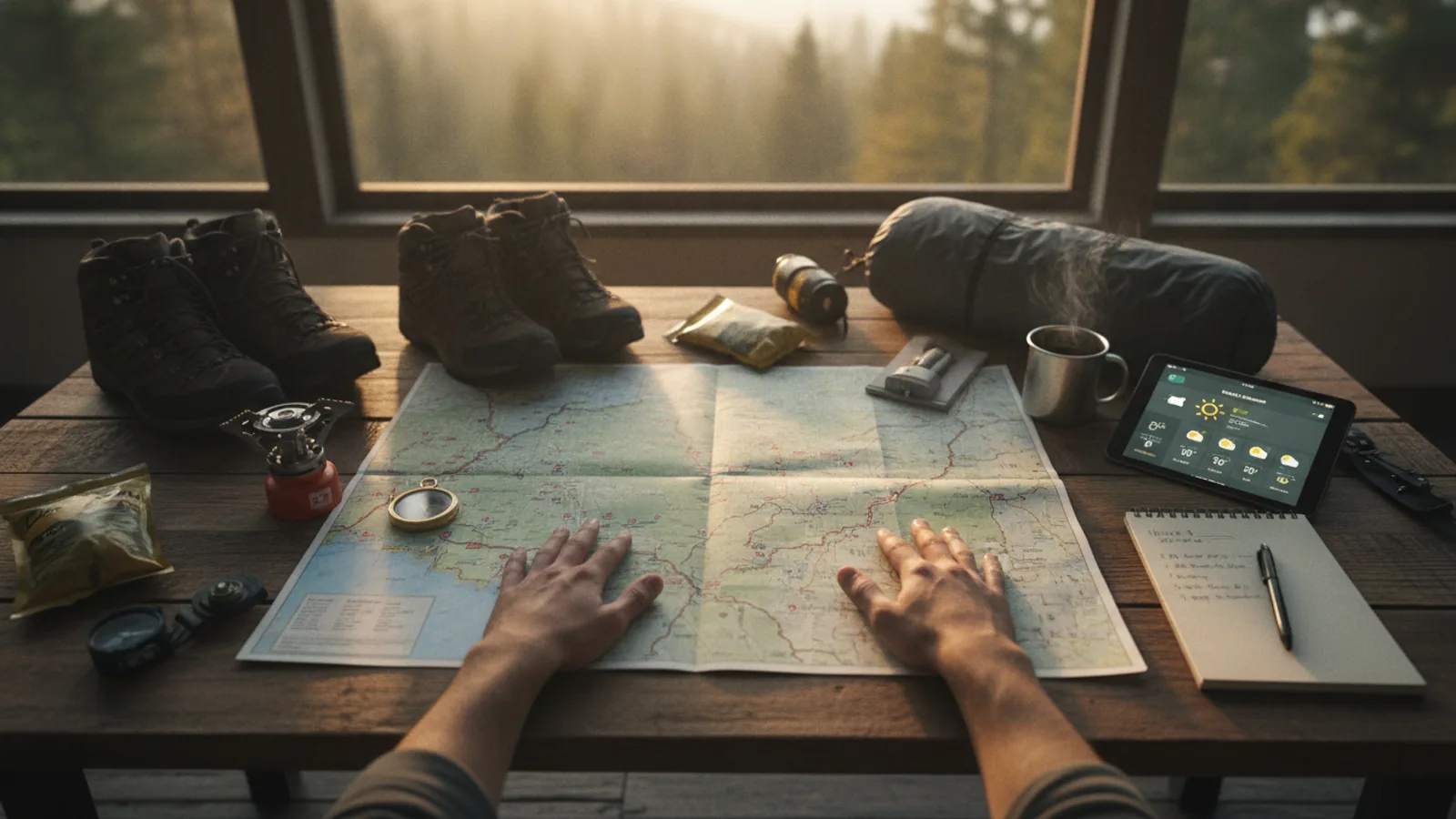
Planning a successful camping trip involves several key stages to make sure you’re prepared for the great outdoors. You'll need to decide on your destination and the type of camping you want to do, gather the right equipment, plan your food and water supplies, and understand how to stay safe. By following a clear plan, you can minimise surprises and maximise your enjoyment in nature. This guide breaks down each stage into simple, manageable steps.
Before You Start how to plan a camping trip
What You Need
Safety, Timing, or Context Checks
How to how to plan a camping trip
Quick Reference
Common Problems When You how to plan a camping trip
Even with careful planning, issues can arise. Knowing what to watch out for can help you fix them quickly and keep your trip enjoyable.
Problem: Unexpected Weather Changes
Description: You planned for sun, but now it's raining heavily, or a cold front has arrived, or it's unexpectedly windy. This is a common challenge, especially in the UK.
Fix: Always pack for all seasons, even if the forecast looks good. Bring waterproof jackets and trousers, extra warm layers (fleeces, thermal underwear), and a warm hat. If strong winds are forecast, ensure your tent is securely pitched with all guy ropes tightened. If heavy rain is prolonged, consider if your gear can handle it or if an alternative plan (e.g., a B&B for a night) might be safer.
Problem: Forgetting Essential Gear
Description: You arrive at the campsite only to realise you've left behind something vital, like your tent poles, stove gas, or cooking pot.
Fix: Create a detailed packing list well in advance and tick items off as you pack them. Lay out all your gear before putting it in bags to visually check everything. For crucial items, do a mental run-through of your planned activities (e.g., "How will I sleep?", "How will I eat?"). If you do forget something, check if the campsite has a shop or if there's a nearby town with an outdoor store.
Problem: Campsite is Full or Not What You Expected
Description: You arrive to find the campsite is fully booked, or the facilities are poor, or it's much noisier than you hoped.
Fix: Always book your pitch in advance, especially during peak season. Before booking, read recent online reviews and check the campsite's website for photos and details on facilities and rules. If you arrive and it's truly unsuitable, have a backup plan: research alternative campsites nearby or consider a different type of accommodation for the night if available.
Problem: Running Out of Food or Water
Description: You misjudged your consumption, and now you're low on supplies before your trip ends.
Fix: Over-estimate your food and water needs slightly. Pack a few extra non-perishable snacks and ensure you have enough water for the duration, or a reliable way to resupply/purify water. If you're at a formal campsite, there's usually a shop or a town within driving distance. For wild camping, careful planning of water sources is paramount.
Problem: Issues with Campfires
Description: You struggle to get a campfire started, or you have trouble keeping it under control, or you leave it smouldering.
Fix: First, ensure campfires are permitted in your area. Use dry kindling and small pieces of wood to start, gradually adding larger pieces. Never leave a fire unattended. Before bed or leaving the site, completely extinguish the fire with water until the embers are cold to the touch. Have a bucket of water or sand nearby at all times when a fire is lit.
Advanced Tips for how to plan a camping trip
Once you've mastered the basics, these tips can help you elevate your camping experience, making it even more comfortable and enjoyable.
Master Layering for All Conditions
Instead of one big, bulky coat, pack multiple thin layers. A good system includes a base layer (wicks moisture), a mid-layer (insulation like fleece), and an outer shell (waterproof and windproof). This allows you to easily adjust to temperature changes throughout the day and night, keeping you comfortable without overheating or getting cold. Merino wool or synthetic fabrics are excellent choices for base layers.
Invest in Multi-Functional Gear
Look for items that serve more than one purpose to save space and weight. For example, a quality head torch can double as a lantern if diffused through a water bottle. A hiking pole can be used to prop up a tarp. A cooking pot can serve as a mixing bowl. This approach reduces clutter and makes packing more efficient.
Pre-Cook and Dehydrate Meals
For longer trips or to minimise cooking efforts at the campsite, consider preparing and dehydrating some of your favourite meals at home. Dishes like chilli, curry, or pasta sauces can be rehydrated with hot water, offering a hearty and delicious meal with minimal fuss. This also significantly reduces the weight you need to carry.
Learn Basic Bushcraft Skills
Beyond pitching a tent, learning skills like proper knot tying, safe fire lighting (where permitted), and basic navigation can boost your confidence and self-reliance. Knowing how to purify water from natural sources or build a simple shelter in an emergency are invaluable skills for any outdoor enthusiast, even if you rarely need them.
Embrace Off-Season Camping
While summer is popular, camping in spring or autumn can offer unique benefits: fewer crowds, stunning autumnal colours, and a peaceful atmosphere. You'll need more robust gear for colder temperatures and potential rain, but the reward is a tranquil experience with nature that many summer campers miss out on. Always prioritise safety and check conditions carefully.
Practise Minimalist Packing
Challenge yourself to pack only the absolute essentials. Before packing, consider each item: "Do I truly need this, or is there a lighter, more versatile alternative?" This practice can significantly reduce the weight of your pack, making hikes more enjoyable and setting up camp less strenuous. It also encourages a greater appreciation for simpler living.
How To Plan A Camping Trip FAQ
Q: What is the best time of year to go camping in the UK?
A: The best time largely depends on your preference. Summer (June-August) offers the warmest weather and longest daylight hours, but campsites are often very busy and require advance booking. Spring (April-May) and Autumn (September-October) can provide pleasant temperatures, beautiful scenery, and fewer crowds, but the weather is more unpredictable with potential for cold nights and rain. Winter camping (November-March) is for experienced campers only, requiring specialist gear and knowledge.
Q: Do I need a special permit for wild camping in the UK?
A: In England and Wales, wild camping is generally not permitted without the landowner's explicit permission. There are very few exceptions, such as Dartmoor (though this is currently under review or highly specific). In Scotland, wild camping is generally legal due to the Land Reform (Scotland) Act 2003, as long as you adhere to the Scottish Outdoor Access Code, which emphasises responsible behaviour, leaving no trace, and respecting privacy and land use. Always check specific regional rules.
Q: How can I keep my food fresh without a fridge?
A: Use a cool box or insulated bag with ice blocks/frozen water bottles. Freeze items like meat, milk, or pre-cooked meals to keep them colder for longer, and they'll thaw as needed. Pack non-perishable foods like tinned goods, dried pasta, rice, and fruit. Keep your cool box in the shade and open it as little as possible. For longer trips, consider dehydrated meals.
Q: What should I do if I encounter wildlife while camping?
A: Generally, observe wildlife from a distance and avoid disturbing them. Store food securely in sealed containers or hung from a tree to prevent animals from getting into it, which can be dangerous for both you and the animals. If an animal approaches, make noise or slowly back away. Never feed wildlife. Know about any specific dangerous animals in your area (e.g., adders in some parts of the UK) and how to respond.
Q: Is it safe to have a campfire, and what are the rules?
A: Safety and rules vary. First, always check if campfires are permitted at your chosen site or location. Many organised campsites have designated fire pits or ban them entirely. If allowed, keep your fire small and contained, away from tents, trees, and dry grass. Never leave a fire unattended, and ensure it's completely extinguished with water until cold to the touch before leaving or going to sleep. Collect firewood responsibly (if permitted) or bring your own. Adhere to any fire bans during dry periods.
Q: What kind of clothes should I pack for camping?
A: Pack layers. This includes a moisture-wicking base layer (e.g., thermal top), an insulating mid-layer (e.g., fleece), and a waterproof and windproof outer layer. Bring plenty of socks, suitable walking boots, a warm hat, and gloves, even in summer, as nights can be cold. Avoid cotton for anything other than casual wear, as it takes a long time to dry and loses its insulating properties when wet. Synthetics or wool are better choices.
Final Checklist for how to plan a camping trip
Before you head out, use this checklist to ensure all your preparations are complete for a smooth and enjoyable camping adventure.
- ✓ Destination and Dates Confirmed: Have you decided where and when, and checked travel times?
- ✓ Campsite Booked (If Required): Is your pitch reserved and confirmed?
- ✓ Weather Forecast Checked: Are you prepared for all possible conditions?
- ✓ Essential Gear Packed: Tent, sleeping bags, mats, cooking stove, fuel, lantern/head torch.
- ✓ Food and Water Planned: Enough for the duration, easy to prepare, and safely stored.
- ✓ Clothing Packed (Layers): Waterproofs, warm layers, extra socks, hat, gloves.
- ✓ First-Aid Kit Ready: Bandages, antiseptic, pain relievers, personal medications.
- ✓ Navigation Tools: Map, compass, charged phone with offline maps.
- ✓ Safety Plan in Place: Someone knows your itinerary, emergency contacts noted.
- ✓ Rubbish Bags Packed: For all waste, adhering to Leave No Trace principles.
- ✓ Toiletries and Sun Protection: Sun cream, insect repellent, soap, towel.
- ✓ Personal Comfort Items: Camp chairs, book, camera, power bank.
- ✓ Vehicle Checked: Fuelled, tyres checked, breakdown cover details accessible.
- ✓ Cash/Payment Methods: For emergencies or small purchases.
- ✓ Campsite Rules Understood: Regarding fires, noise, pets, etc.