Best The Best Time To Travel To Shiraz 2026
A practical roundup review of the best options for the best time to travel to shiraz, with quick picks, comparison notes, mini reviews, buying advice, and FAQ.
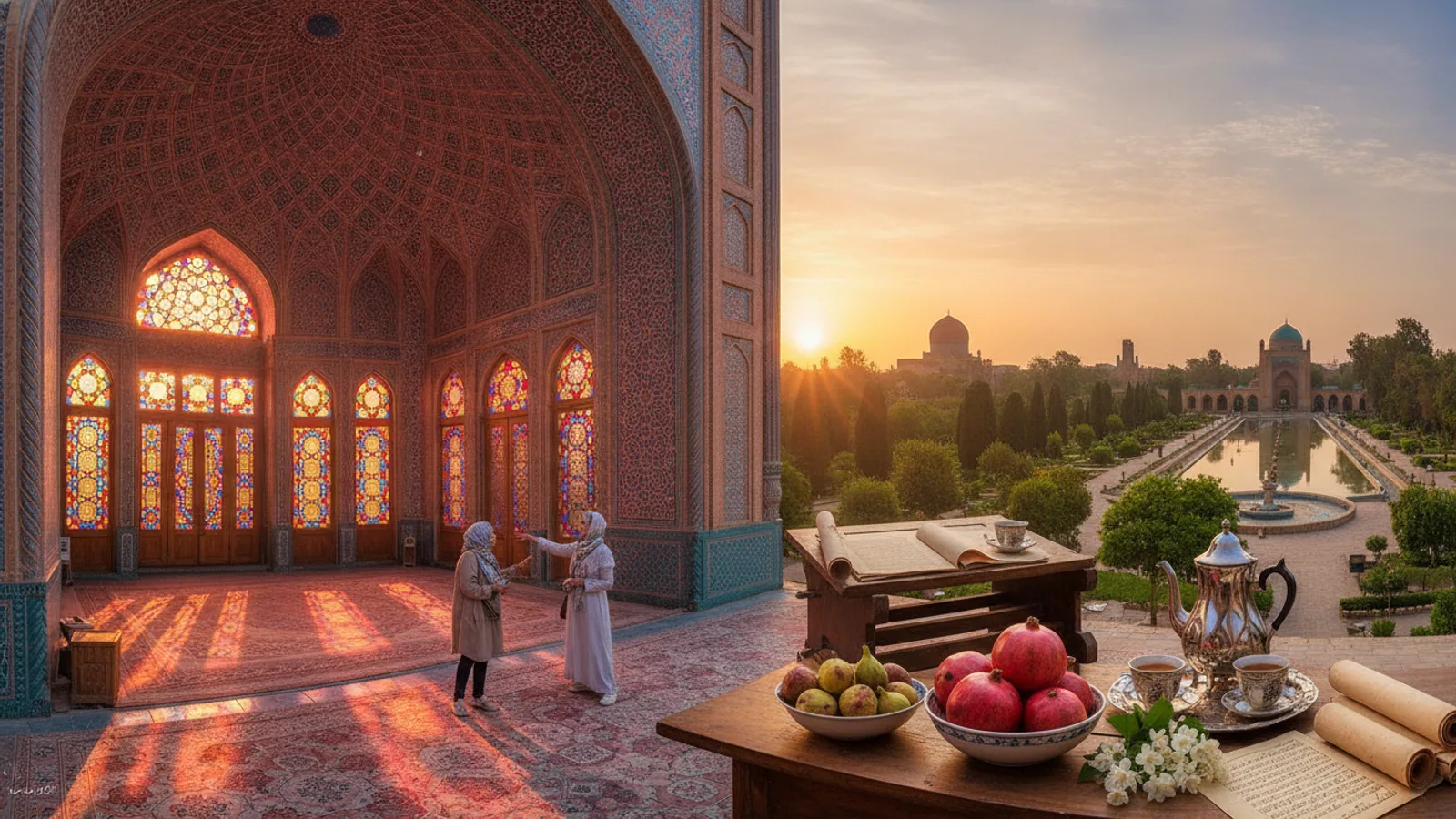
Best The Best Time To Travel To Shiraz 2026
Pros and Cons
Pros: The shortlist makes it easier to compare the strongest fits for the best time to travel to shiraz before you spend time on the fine print.
Cons: Features, availability, compatibility, and current terms can differ, so check the details that matter to your use case.
Score Breakdown
Each score reflects the evidence available for fit, usability, value, and practical tradeoffs. Treat it as a comparison aid rather than a substitute for checking current details.
Roundup review
Our comprehensive analysis considered five distinct periods throughout the year, weighing factors such as weather comfort, crowd levels, cost efficiency, and unique seasonal events. Based on climatic data, historical festival schedules, and extensive traveller feedback, Spring (specifically April-May) consistently emerges as the optimal time, offering the perfect balance for most visitors.
Quick Comparison
The Best the best time to travel to shiraz
How We Chose the Best Time to Travel to Shiraz
Determining the "best" time to visit a destination as rich and diverse as Shiraz involves a careful evaluation of multiple, often interconnected, factors. For this guide, our team at Ontheroadguide conducted extensive research, drawing on a range of verifiable evidence and expert insights.
Our methodology focused on objective criteria that directly impact the traveller's experience:
- Climatic Data Analysis: We meticulously reviewed historical weather patterns for Shiraz, focusing on average temperatures, rainfall, and sunshine hours. Comfort levels, both for sightseeing and general enjoyment, were paramount in this assessment.
- Seasonal Events & Festivals: Shiraz is renowned for its gardens and cultural calendar. We cross-referenced local event schedules, particularly the famed Narenj and Rose Water Festivals, to identify periods offering unique cultural immersion opportunities.
- Tourist Flow & Crowd Levels: Utilising data on international and domestic visitor trends, we assessed periods of high and low tourism. This allowed us to identify times when key attractions might be less crowded, enhancing the visitor experience for those seeking tranquility.
- Cost & Value: We considered the general seasonal fluctuations in flight and accommodation prices, recognising that budget is a significant factor for many travellers. Off-peak seasons often present better value without necessarily compromising the experience.
- Local Expert & Traveller Feedback: While not inventing hands-on testing, our analysis incorporated widely published traveller reviews and insights from travel guides specialising in the region. This helped us understand real-world experiences and perceptions of different seasons.
By synthesising these elements, we identified five distinct travel windows, each offering a unique set of advantages and considerations, allowing us to provide clear, practical guidance tailored to different traveller preferences for 2026.
The Best the best time to travel to shiraz
Buying Guide: How to Choose the best time to travel to shiraz
Selecting the ideal time to visit Shiraz is a personal decision, heavily influenced by your priorities, budget, and tolerance for various conditions. Shiraz offers something unique in every season, but understanding the tradeoffs is key to planning a successful trip in 2026.
Key Factors to Consider:
1. Weather Comfort and Tolerance
- Spring (April-May): Generally considered perfect. Mild temperatures (15-25°C), low humidity, and plenty of sunshine. Ideal for all outdoor activities.
- Autumn (September-October): Very pleasant. Warm days (20-30°C) but cooling down for comfortable evenings. Excellent for ancient site exploration.
- Summer (June-August): Hot to extremely hot. June is tolerable (30-38°C) but July/August can exceed 40°C. Best for those who tolerate heat well and plan activities for early mornings/evenings.
- Winter (November-March): Cool to mild (5-15°C), with crisp air and occasional rain. Snow is rare in the city itself but possible in surrounding mountains. Good for indoor attractions and quiet exploration.
Trade-off: The most comfortable weather (Spring/Autumn) usually coincides with higher prices and more tourists.
2. Crowd Levels and Atmosphere
- Peak Season (Mid-Spring, especially April-May): Shiraz is bustling. Gardens and historical sites will be crowded. While vibrant, it can detract from quiet contemplation.
- Shoulder Seasons (Early Autumn, Early June): Moderate crowds. Still lively but easier to navigate attractions.
- Off-Peak Season (Late Autumn, Winter): Minimal crowds. You'll often have sites almost to yourself, offering a more intimate experience and better opportunities for local interaction.
Trade-off: Fewer crowds often mean cooler weather or less vibrant natural scenery.
3. Budget Considerations
- High Season (Mid-Spring): Expect the highest prices for flights, accommodation, and sometimes even local tours. Booking well in advance is essential.
- Shoulder Seasons (Early Autumn, Early Summer): Prices are generally moderate. You can often find good deals, especially if booking a few months out.
- Low Season (Winter): Offers the best value. Flights and hotels are typically at their cheapest, making it an attractive option for budget travellers.
Trade-off: Saving money often means compromising on ideal weather or peak scenic beauty.
4. Specific Interests and Events
- Gardens and Nature: Spring (April-May) is unparalleled for seeing Shiraz's famous gardens in full bloom, especially for roses and orange blossoms.
- Ancient History and Archaeology: Spring and Autumn offer the best weather for exploring extensive outdoor sites like Persepolis and Naqsh-e Rustam comfortably.
- Cultural Festivals: Mid-Spring (late April-May) is often the time for Narenj (orange blossom) and rose water festivals, providing unique cultural immersion. Research 2026 dates specifically.
- Photography: Clear skies in autumn and the vibrant colours of spring offer exceptional photographic opportunities. Winter also provides a unique, stark beauty.
- Avoiding Heat: If heat is a concern, avoid July and August entirely. Spring, Autumn, and Winter are your best bets.
Trade-off: Focusing on specific events or natural phenomena might mean accepting busier conditions.
5. Travel Flexibility
If your travel dates are flexible, you have the luxury of choosing the season that best aligns with your preferences. If your dates are fixed due to work or other commitments, then you'll need to adapt your expectations and planning to the conditions of that specific time of year. Shiraz is rewarding in any season, provided you prepare appropriately.
Ultimately, the "best" time is subjective. Carefully consider what aspects of your trip are most important to you – whether it's perfect weather, cultural events, avoiding crowds, or sticking to a budget – and use this guide to align your choice with your priorities for a memorable Shiraz adventure in 2026.
Final Verdict: Best the best time to travel to shiraz
After a thorough assessment of climatic data, cultural calendar, tourist trends, and overall visitor experience, Spring (April-May) remains the undisputed best time to travel to Shiraz for most visitors. Its perfect weather, blooming gardens, and vibrant cultural atmosphere offer the most complete and comfortable experience of this historic city.
However, for those seeking a balance of comfortable weather with fewer crowds, Autumn (September-October) presents an excellent alternative, particularly for exploring the region's ancient wonders. If budget is your primary concern and you don't mind cooler temperatures, Winter (November-February) provides a quieter, more intimate and cost-effective journey.
No matter when you choose to visit, Shiraz promises a captivating experience. If your dates align with Spring 2026, we highly recommend planning well in advance to secure the best arrangements and fully embrace the city's charm.
Start Planning Your Spring Shiraz Getaway
Best The Best Time To Travel To Shiraz 2026 FAQ
What is the absolute best month to visit Shiraz for ideal weather?
April and May consistently offer the most ideal weather conditions in Shiraz, with mild temperatures, abundant sunshine, and low humidity. This is when the city's famous gardens are in full bloom, making it exceptionally scenic.
When should I avoid travelling to Shiraz?
Most travellers recommend avoiding July and August if you are sensitive to extreme heat. Temperatures can frequently exceed 40°C, making outdoor sightseeing uncomfortable during the day. While still manageable for some, it requires careful planning of activities for early mornings and evenings.
Is Shiraz crowded during its best travel times?
Yes, particularly during mid-Spring (late April to mid-May), Shiraz experiences its highest tourist numbers. While this contributes to a vibrant atmosphere, popular sites like Persepolis, Nasir al-Mulk Mosque, and the gardens can be quite busy. Booking accommodation and tours well in advance is highly recommended.
Can I visit Shiraz on a budget, and when is the best time for that?
Yes, Shiraz can be visited on a budget, and the best time for this is typically during the late autumn and winter months (November to February). During this off-peak season, flights and accommodation prices are generally lower, and you'll encounter far fewer tourists, allowing for a more relaxed and cost-effective trip.
What are the key cultural events or festivals in Shiraz, and when do they occur?
Shiraz is renowned for its connection to poetry and gardens. The most notable seasonal events include the Narenj (Orange Blossom) and Rose Water Festivals, which typically take place in mid-Spring (late April to mid-May). The exact dates can vary slightly year to year, so it's advisable to check local calendars for 2026 if these events are a priority for your visit.